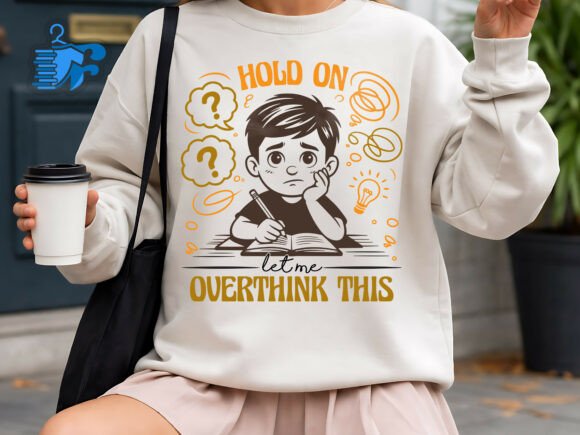
Overthinking Quote Typography Design
As a designer who’s spent years working with machine embroidery designs, I always approach new files with a mix of curiosity and skepticism. The Overthinking Quote Typography Design is no exception. It’s a bold choice, and it brings both promise and potential pitfalls depending on how you plan to use it.
The First Impression: A Statement in Text
From the moment I open the ZIP folder, the Overthinking Quote Typography Design immediately sets a tone. It’s clean, modern, and slightly edgy. The typography is strong, with a sense of confidence that makes it ideal for projects where the message matters as much as the design itself. The layout is balanced, and the detail level is just right—enough to make an impact without being overwhelming.
This design feels like it was made for a statement piece. It’s not subtle, but that’s part of its charm. It’s perfect for custom apparel, especially when you want to make a point or add a touch of personality to a product. Whether it’s a sweatshirt, tote bag, or apron, the design commands attention.
Real-World Use: Where It Fits and Where It Doesn’t
I tested the Overthinking Quote Typography Design on a few different fabrics and found that it works best on medium-weight materials like cotton or polyester blends. On thin or stretchy fabrics, the stitches can look a bit stiff, and the design might not lay flat as intended. For that reason, I’d advise caution if you’re planning to use it on baby clothes or items that require frequent washing.
When it comes to hoop size, this design is relatively large. If you have a small hoop, you might need to split the design or adjust the placement. That said, it’s versatile enough to work on a variety of projects—from embroidered patches to pillow covers. The key is to ensure that your hoop is large enough to accommodate the full design without cutting off any details.
For commercial embroidery projects, the Overthinking Quote Typography Design has a lot of potential. It’s a great fit for small shop products, Etsy listings, and craft fair items. Its clean lines and strong message make it easy to market as a personalized gift or a unique handmade product. However, if you're using it for a holiday or wedding gift, you’ll want to consider whether the message aligns with the occasion.
Where to Be Careful: Potential Challenges
One of the biggest challenges with the Overthinking Quote Typography Design is its use on dark fabrics. The contrast between the thread color and the fabric background is crucial here. If the thread is too light, the design may not stand out as intended. I recommend testing it on a dark fabric before committing to a larger project.
Another thing to watch for is stitch density. The design has areas with dense stitching, which can cause puckering on certain fabrics. Using the right stabilizer is essential to prevent that. Thin or textured fabrics may also require additional support to keep the design looking smooth and professional.
Small lettering is another area to be cautious with. While the overall design is clear, the smaller details could get lost if the embroidery machine isn’t set up correctly. I’d suggest doing a test run on scrap fabric to see how the design translates in real life.
Design Impact: Visual Appeal and Practical Value
The Overthinking Quote Typography Design adds visual interest to any project it’s used on. It’s not just a decorative element—it tells a story. That makes it valuable for handmade products, especially those aimed at creative entrepreneurs or boutique brands looking to connect with their audience on a personal level.
From a customer perspective, this design can increase the perceived value of a finished product. People love quotes, and when they’re well-executed, they can make a product feel more special. This is especially true for personalized gifts, where the message plays a big role in the emotional appeal.
For small business owners and Etsy sellers, the Overthinking Quote Typography Design offers flexibility. It can be used as a printable mockup, a digital product preview, or even as part of a larger collection. The file formats included (SVG, DXF, PNG, EPS) make it easy to integrate into different workflows and projects.
Practical Designer Notes: What to Check Before Use
Before using the Overthinking Quote Typography Design in any project, I always recommend testing it on scrap fabric. This helps you see how the stitches will look on your chosen material and identify any issues early on.
Check the thread color contrast. If you’re using a dark fabric, make sure the thread color stands out. Similarly, if you’re working with a light fabric, avoid overly bright threads that might clash.
Review the stitch density. Some areas of the design may require more stitches than others, so it’s important to understand how that will affect the final look. Also, confirm the hoop size needed to accommodate the entire design without any cropping.
Inspect the small details. Even though the design is clean, some elements may be too fine for certain machines or fabrics. Test it in black and white mockups to see how it looks without color. Compare it against both light and dark fabric backgrounds to ensure it’s versatile.
Use the proper stabilizer. This is especially important for delicate or stretchy fabrics. Without it, the design may pucker or lose its shape over time.
Confirm that the design works for both personal and commercial projects. If you’re selling finished items or digital products, check the licensing terms to make sure you’re allowed to do so.
Final Thoughts: A Design Worth Considering
The Overthinking Quote Typography Design is a strong choice for designers looking to add a meaningful message to their work. It’s well-suited for custom apparel, embroidered patches, and other creative projects where the text is as important as the visuals.
While it has its limitations, especially when it comes to small hoop sizes and certain fabric types, it’s still a versatile and impactful design. With the right preparation and testing, it can become a valuable asset in any embroidery project, from handmade gifts to commercial merchandise.